
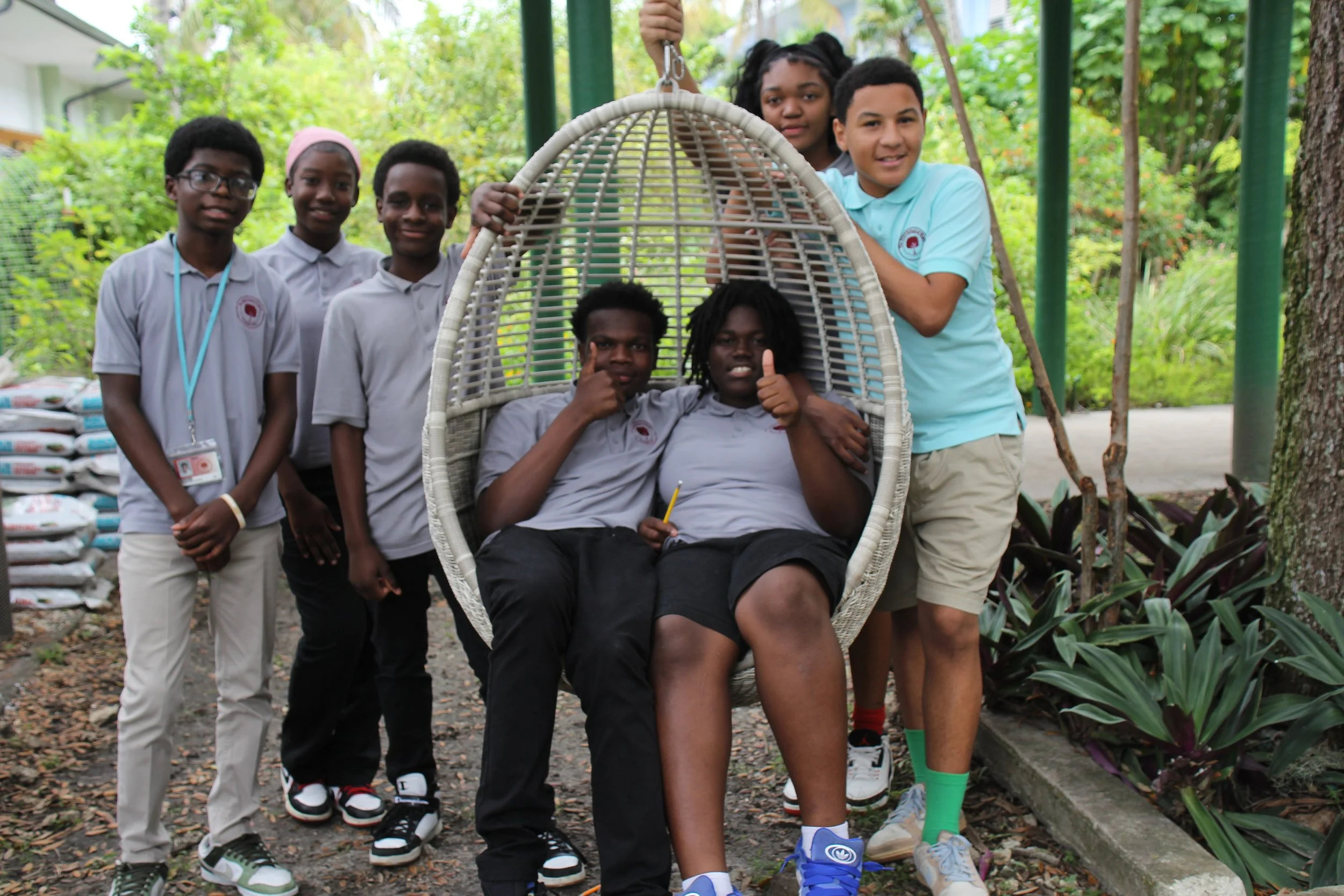
Making Every Hour Matter: Out of School Time is Critical
SEED’s 24-hour boarding school model means learning extends well beyond the final school bell. The hours outside the classroom play a critical role in student learning and development. Engaging out-of-school-time programming keeps students connected to the school community, builds confidence, helps develop important life skills, and fosters an enduring sense of belonging.
Supporting the Whole Student

Shaneen Powell, director of student life at The SEED School of Maryland (SEED MD), sees the transformative power of this programming every day—she oversees everything SEED MD’s 6th-12thgrade students experience before and after classroom instruction.
Student life, she emphasizes, is what truly sets SEED apart: “SEED’s student life programming encompasses all of the hours outside of the classroom. Our team fosters a nurturing, inclusiveenvironment where each individual student can thrive.”
SEED MD scholars engage in foundational life-skills curricula, including social and emotional learning, wellness routines, and even learning to swim. Beyond the core curricula, students explore passions that match their personal interests—or push them to completely new territory.
Alongside competitive athletics, dance, and fine arts, students can dive into clubs ranging from AgroTech and anime to robotics, drone soccer, and Zumba. If a student is curious about a topic that does not have an official club yet, staff empower them to start a new one. Curiosity drives the spark.
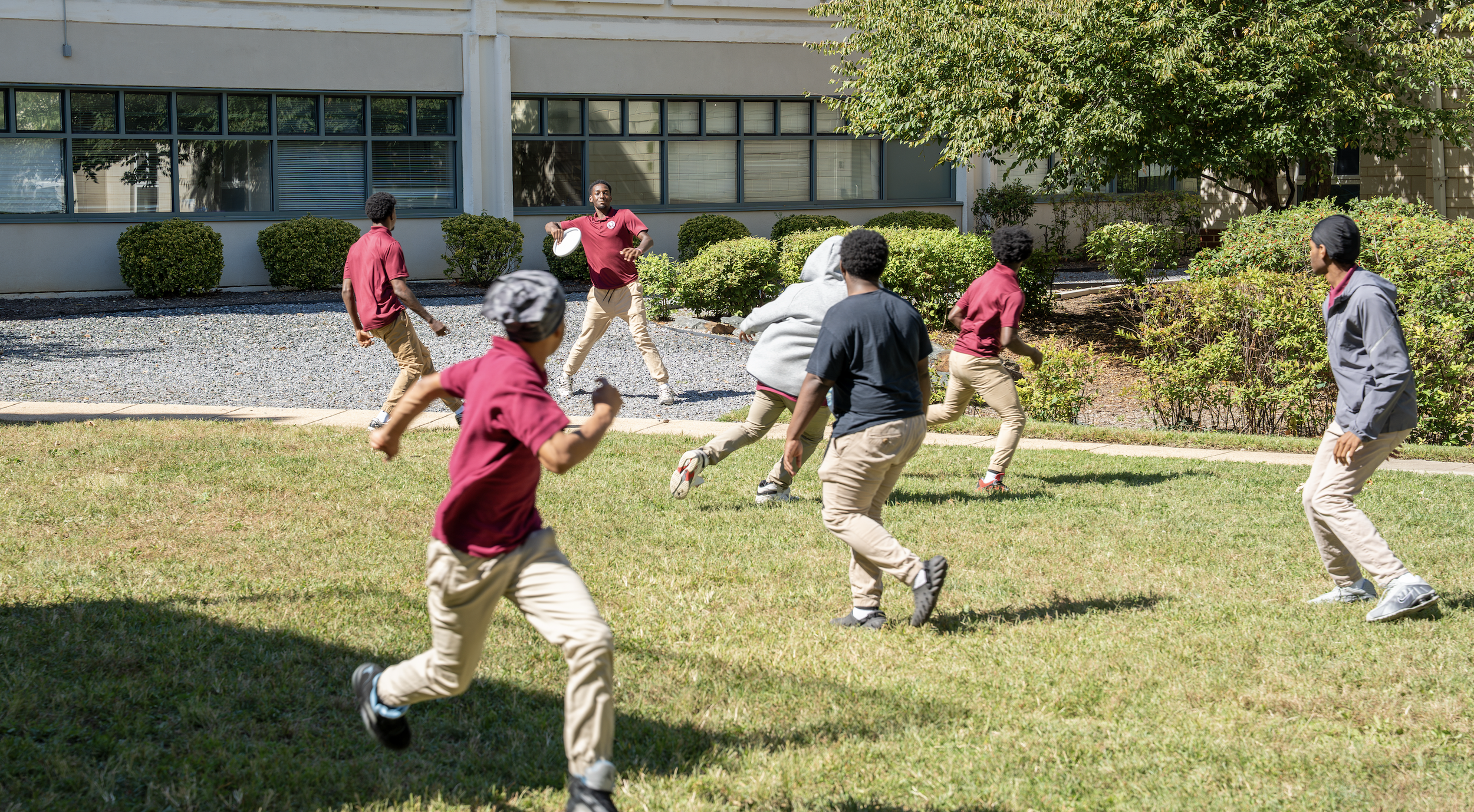
Ms. Powell stresses that out-of-school activities don’t need to be purely academic to boost classroom performance; engagement itself is the catalyst: “It is an opportunity to ensure students have the confidence and the motivation that translates directly to classroom success. You have to connect to them with something they love, something precious to them. Just because an activity isn’t strictly academic doesn’t mean it lacks value or doesn’t propel their achievement.”
Learning Community in Dorms
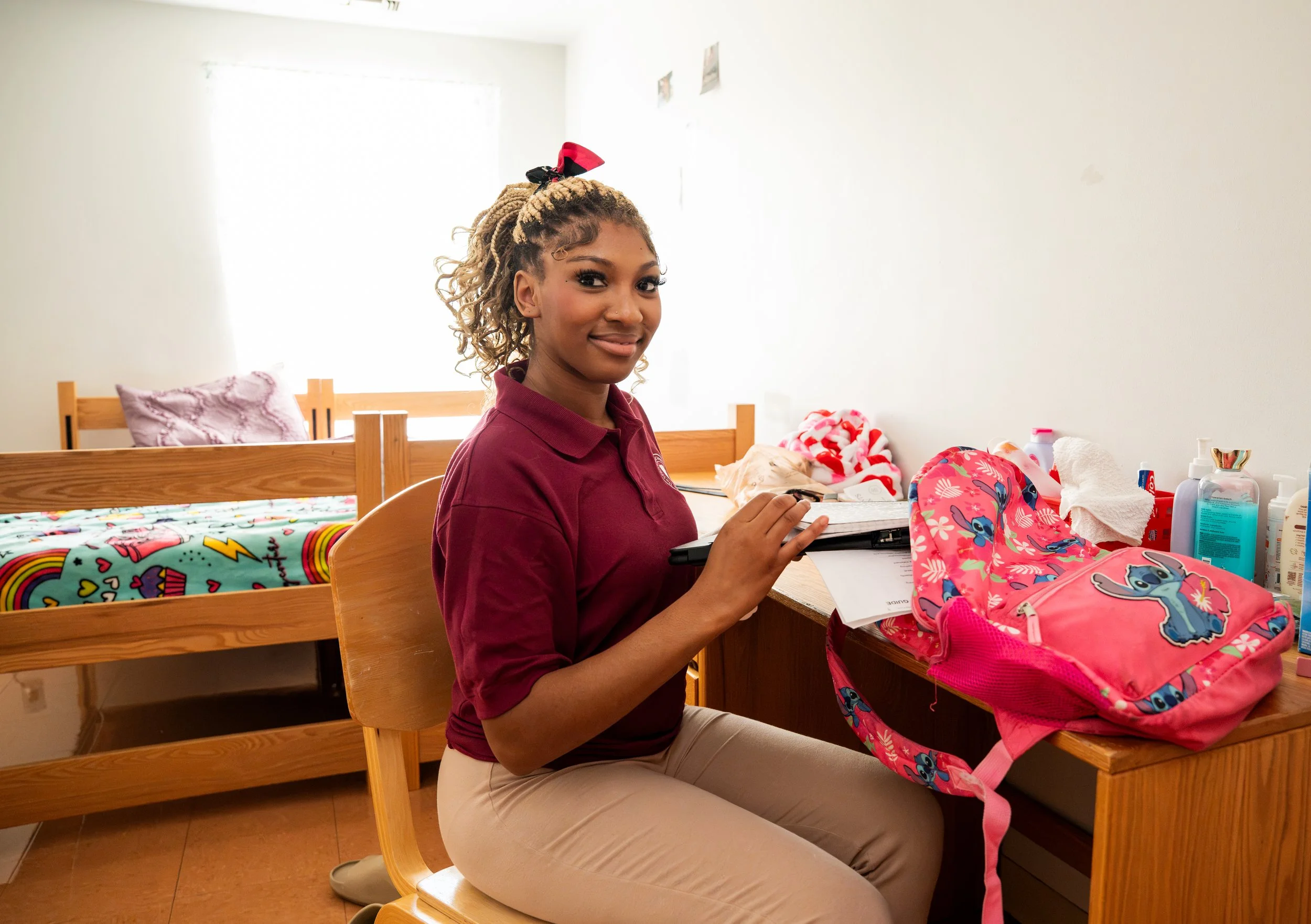
Residential life offers constant opportunities to build connections. Evenings feature a mix of fun—such as community game nights—and guided mindfulness practices.
By the time SEED graduates arrive on college campuses, they find themselves far more prepared for the social realities of dorm living than many of their peers, having spent years mastering how to live, communicate, and collaborate with diverse personalities.
“Students who lack the connections forged through these activities can fall behind academically simply because they miss that essential sense of belonging,” Notes Ms. Powell. “Mental health and wellness arebuilt through genuine peer relationships nurtured during out-of-school hours.”
The Access Gap—and the SEED Difference
High-quality out-of-school programming provides a critical foundation for student well-being. As The 74 Million explains: “Out-of-school programs…offer structured environments where students engage in meaningful activities, build relationships, and develop essential life skills. They often serve as a bridge between school, home, and the community, and for kids from low-income families, high-quality out-of-school programs can play an outsized role in their development.”
Yet access across the country remains deeply inequitable. A report from the National Academy of Sciences, Engineering, and Medicine revealed steep barriers to entry—estimating that 11 million students from low-income households would participate in out-of-school programs if accessible options existed in their communities. At SEED, that barrier disappears. High-impact enrichment, supportive adult mentorship, and safe spaces are just a walk across the campus.
Students are constantly learning in the hours outside the classroom—making how they spend those hours critical. By combining intentional enrichment with the joy of shared discovery, SEED makes every hour count.