
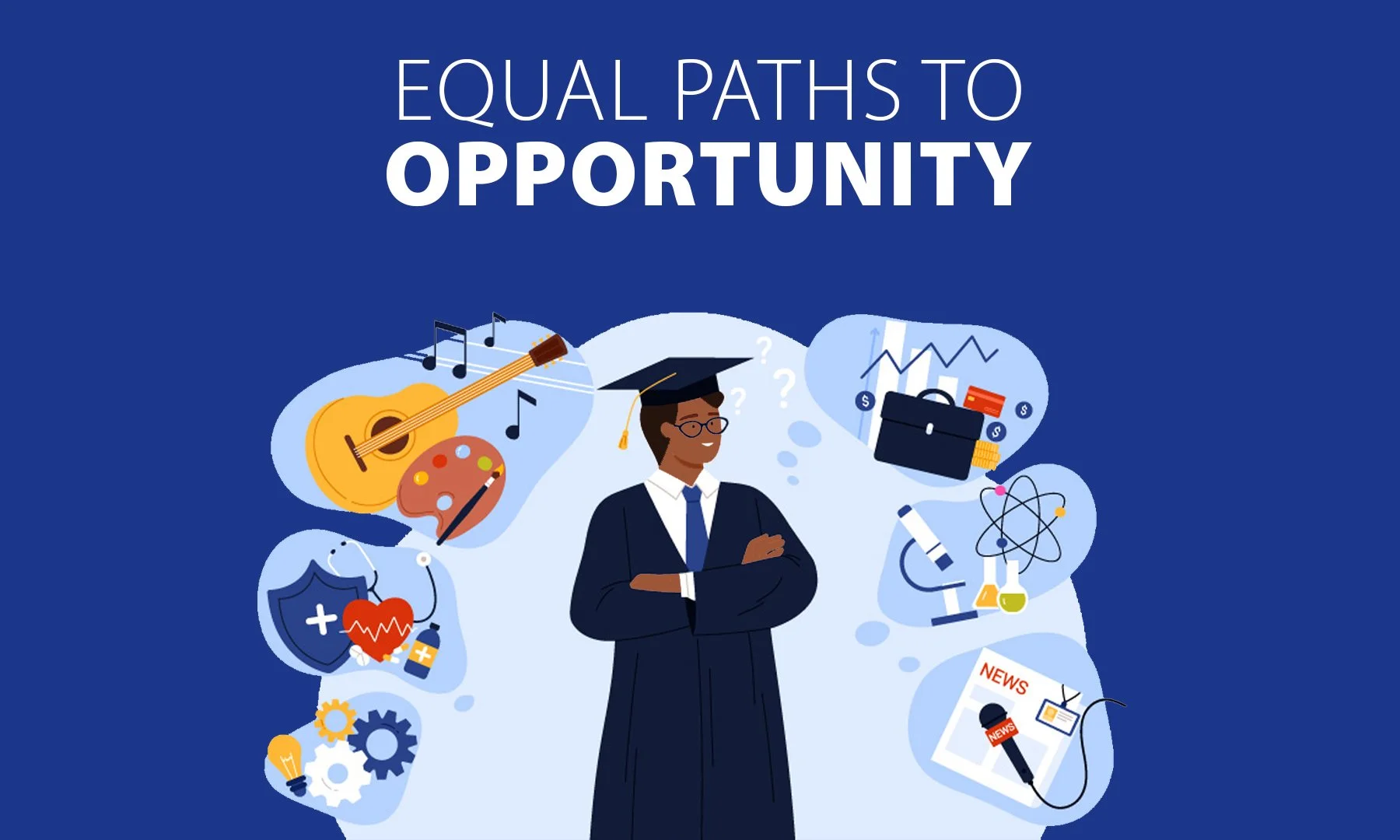
At The SEED Foundation, we know the power of a college degree. We work hand-in-hand with students and families to ensure the path to opportunity is open to every single scholar, regardless of circumstance.
The advantages of higher education are profound, offering immense economic and social benefits. On average, college degree holders achieve higher lifelong earnings, enjoy more stable employment, and report higher rates of overall well-being and civic engagement.
Yet, a persistent narrative questioning the value of a college degree has gained traction, fueled by growing mistrust in higher education institutions, opaque pricing, and societal divisions. While critics raise valid concerns about the cost of higher education, it is essential to make decisions based on the big picture.
Yes, college is a major investment. Even when students choose a Right Fit college with a generous financial aid package that minimizes debt, they are still choosing to delay entering the full-time workforce—a sacrifice that poses a real challenge for many families. However, the data is clear: This short-term sacrifice yields a lifetime of returns, transforming not just individual career trajectories, but the economic future of entire families.
Higher Education Pays
According to the Georgetown Center for Education and the Workforce report Learning and Earning by Degrees , “good jobs”—those offering family sustaining, middle-class wages—are overwhelmingly going to college degree holders.
The shifting job market will only continue to favor degree holders:
· The 2031 Outlook: Georgetown’s research projects that by 2031, 66 percent of good jobs will require a bachelor’s degree or higher.
· The Lifetime Earnings Gap: On average, the difference in lifetime earnings between a high school graduate and a college degree holder is a staggering $1 million.
Still, inequities persist in college access and completion rates, particularly for students from low-income families—the very individuals who stand to benefit most from this powerful tool for economic mobility and overall well-being.
Benefits That Extend Far Beyond Earning Power
College completion doesn’t just elevate an individual’s bank account; it significantly improves critical quality-of-life metrics. Furthermore, these benefits extend past the individual graduate to lift up society as a whole.
As the Georgetown report notes, higher college attainment spurs widespread social benefits: It drives economic growth, facilitates innovation, and fosters the critical inquiry and deliberative skills to a functional democracy.
Consider the broader impacts on a college degree:
· Community Engagement: College graduates are significantly more likely to volunteer in their communities and actively engage in local and national politics.
· Justice & Health: Degree holders have lower rates of involvement with the criminal justice system, report better health overall, and participate more frequently in healthy behaviors.
· Longevity: Remarkably, the life expectancy for college degree holders is an average of seven years longer than those without education beyond high school.
These holistic benefits, combined with the clear economic advantages, provide a compelling counter-narrative to those who question the value of higher education. They also make it clear that equitable access to college is one of the most powerful levers for long-term economic stability.
Overcoming Inequities in College Completion
Unfortunately, the Pell Institute’s 2026 Indicators of Higher Education Equity in the United States report show significant disparities in college outcomes based on income level:

This persistent gap in college access and degree completion contributes to widening gaps in economic divides—but it doesn’t have to be that way.
At The SEED Foundation, our college access and success programming is designed specifically to dismantle these barriers. We guide our scholars toward Right Fit colleges: institutions with a proven track record of high graduation rates, affordability, and robust student supports tailored for low-income students.
By combining intentional college matching with high-touch college advising all the way through college completion, we are helping to level the playing field for SEED students and graduates. One student at a time, we are paving the way for SEED graduates to achieve the economic freedom and positive life outcomes they deserve.